NOKORA SPECIALTY COFFEE
Decaf NICARAGUA Sugar Cane
Decaf NICARAGUA Sugar Cane
Couldn't load pickup availability
The Nueva Segovia region, in northern Nicaragua, is one of the country's leading coffee-growing areas, where small and medium-sized farmers play a central role in production.
From the municipality of Dipilto, this lot is grown between 1,100 and 1,400 metres above sea level and brings together the Caturra, Catuaí and Catimor varieties.
Selection and washed process
The work begins by selecting cherries at peak ripeness. They are then hand-sorted to remove dry and hollow beans and any foreign matter. The coffee is pulped without water and fermented for 25 to 34 hours, depending on the ambient temperature.
Once fermentation is complete, it is washed and hand-sorted again before moving on to the dry mill. There it is sun-dried on saran mesh beds for around 12–16 days, until it reaches the right moisture level.
Sugar Cane: decaf without giving up flavour
The Sugar Cane decaffeination process is known in the coffee industry for using ethyl acetate derived from sugar cane. This compound is also found naturally in coffee and in many fruits, although it can also be produced synthetically.
The process starts with steam, which raises the moisture content of the beans and makes the later extraction easier. The coffee is then brought into contact with a solution of water and ethyl acetate, which gradually draws out the caffeine. Finally, steam is applied to remove any remaining traces of the compound, and the beans are dried back to their original moisture level.
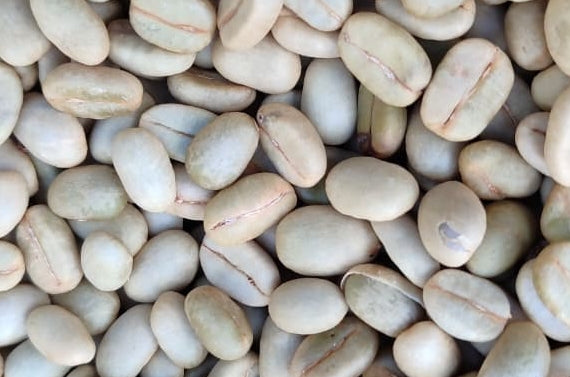
The aim is to remove the caffeine through a controlled process while preserving the characteristics of the green coffee for roasting.
A cup to enjoy at any time of day
In the cup, notes of chocolate and cocoa meet hints of red fruit, lemon biscuit and panela. A gentle acidity and a creamy body round out the experience.